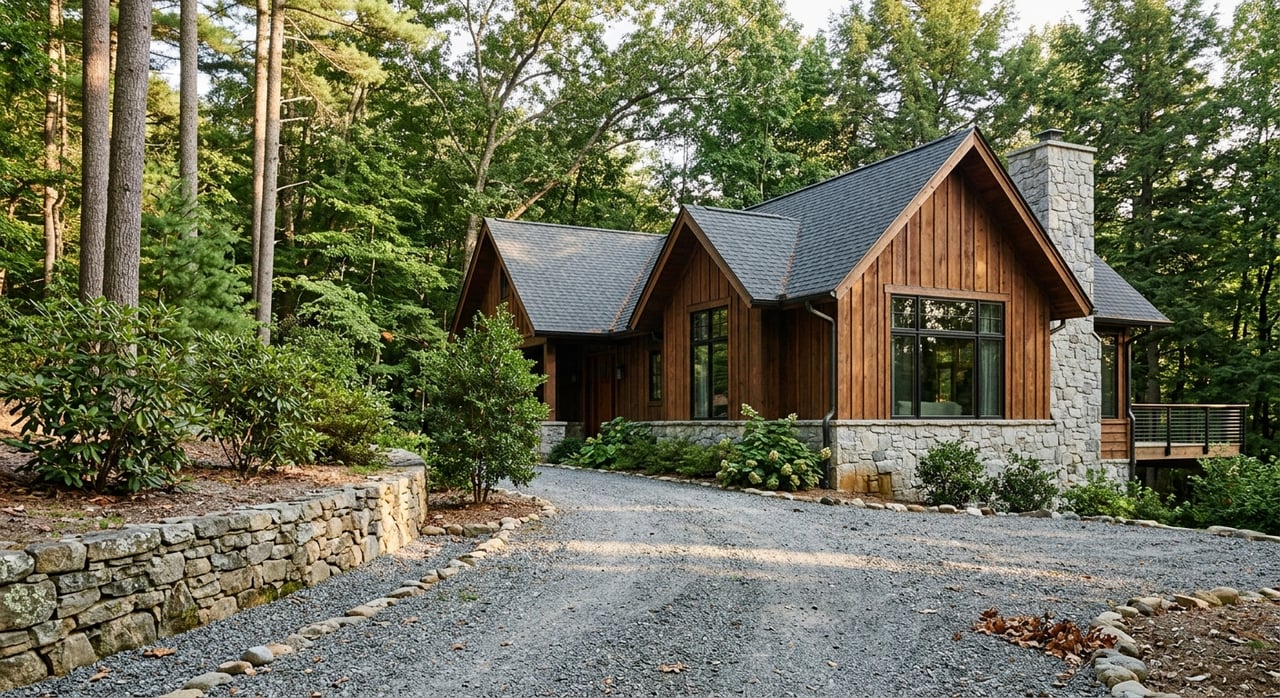
Buying in Andrews or Murphy can feel wonderfully exciting right up until the practical questions start piling up. Is the property in town or county jurisdiction? Will the septic, access, or floodplain status affect your plans? And how do you know whether the agent you choose will spot those issues before they become expensive surprises? If you are choosing a buyer’s agent in this corner of Western North Carolina, the right questions can save you time, stress, and money. Let’s dive in.
Why your buyer’s agent matters
In North Carolina, agency is not just a handshake and a smile. The North Carolina Real Estate Commission says brokers must provide the Working With Real Estate Agents disclosure at first substantial contact, and a broker representing you as a buyer should have a written buyer agency agreement in place by the time you make an offer.
That matters because your agent’s role should be clear from the start. You want to know who represents you, how compensation is handled in writing, and what happens if a firm could represent both sides in a transaction. In North Carolina, dual agency requires advance written authorization from the parties, so this is something worth asking about early.
Why Andrews and Murphy require local know-how
Andrews and Murphy are not markets where every property follows the same neat little script. Some homes are in town limits, some are outside them, and some involve land, cabins, private roads, wells, septic systems, or river frontage. A buyer’s agent who knows how these local pieces fit together can help you ask better questions before you commit.
This is especially helpful if you are relocating or buying from out of state. Andrews is less than 150 miles from Chattanooga, Atlanta, Knoxville, and Asheville, which makes it attractive for second-home buyers and remote purchasers, but it also means many buyers are trying to manage due diligence and closing from a distance.
Questions to ask a buyer’s agent first
Before you start touring property, ask a few direct questions about experience and representation. You are not being picky. You are being smart.
How much local experience do you have?
Ask how many Andrews and Murphy purchases the agent has handled in the past 12 to 24 months. Then go a step further and ask how many involved acreage, cabins, riverfront property, private roads, septic systems, or short-term rental use.
A strong local agent should be able to explain not just how many deals they have done, but what kinds of property challenges they have helped buyers navigate. In this market, that practical experience matters more than a polished sales pitch.
What does your buyer agency agreement cover?
Ask when the agreement is signed, what services it includes, and how compensation is addressed in writing. This should not feel mysterious or rushed.
The North Carolina Real Estate Commission is very clear that buyer representation should be documented. If an agent is vague about the agreement or seems reluctant to explain it, consider that a warning sign.
Do you practice dual agency?
It is fair to ask whether the agent or firm works in dual agency situations. If so, ask how they will explain your options if one of their firm’s listings becomes a fit.
You want clear answers here. If the explanation feels slippery, overly casual, or hard to follow, keep interviewing.
Questions about property use and feasibility
In Andrews and Murphy, finding a lovely property is only part of the job. You also need to confirm that the property works for the way you plan to use it.
How do you verify zoning and jurisdiction?
Ask how the agent checks whether a property falls under town rules or county oversight. That distinction can affect what you can build, change, or use the property for.
The Town of Andrews says buyers should contact the Planning & Zoning Department before buying property or starting a project so staff can confirm compliance with the Andrews Development Ordinance. That alone tells you a good buyer’s agent should never treat zoning as an afterthought.
How do you use GIS and official records?
Cherokee County’s GIS can be helpful, but it should not be treated as the final word. The county warns users to verify GIS information against primary sources before making decisions.
That means your agent should be able to explain how they use mapping tools as a starting point, then confirm details through the correct town or county office. If someone says, “The map looked fine, so we assumed it was fine,” that is not the level of diligence you want.
What if I want a short-term rental?
If you are buying a cabin or second home with rental income in mind, ask the agent exactly how they help confirm whether short-term rental use is allowed. Also ask whether they know what local tax or registration obligations may apply.
In Cherokee County, owners or managers of accommodations rented for fewer than 90 consecutive days must collect a 4% occupancy tax and file monthly reports, even if no tax is due in a given month, according to the county’s Residential information page. An agent does not replace legal or tax advice, but they should know this issue exists and point you in the right direction early.
Questions about septic, wells, roads, and addresses
This is where a mountain-market agent earns their keep. The charming cabin at the end of a pretty road may still need careful review of utilities, access, and site conditions.
How do you verify septic and well details?
Ask how the agent checks septic approval, well records, water testing, and water or sewer availability. Cherokee County Environmental Health handles septic systems, wells, and water testing, and these items can affect whether a property is suitable for your plans.
The county notes that residential permits require written approval for septic and well systems or water and sewer connection, along with any applicable zoning approval and a 911 address, according to Cherokee County Environmental Health. Your agent should know how these pieces connect.
What do you check about roads and easements?
Ask what the agent looks for if a property has a private road, shared driveway, or possible easement. Access is not something to sort out after closing.
The North Carolina Bar notes that title work can reveal easements and use restrictions, and it recommends a new survey during due diligence to check boundaries, encroachments, and setback issues. A thoughtful buyer’s agent should be comfortable coordinating those conversations as you move through the contract period.
How do you confirm the 911 address?
That may sound like a tiny detail, but in rural areas it is not tiny at all. Cherokee County’s 911 Addressing office says a correct address is essential because an incorrect address may not be verifiable and can affect utilities, delivery, and verification by lenders and insurers.
A good agent should have a clear process for confirming the 911 address before the transaction gets too far down the road.
Questions about flood risk and due diligence
A creek, river, or low-lying setting can be part of the appeal here. It can also mean more homework.
How do you check floodplain and watershed issues?
Ask whether the agent reviews official flood information for properties near rivers, lakes, streams, or creeks. Cherokee County notes that floodplain and watershed ordinance rules may apply in these areas.
FEMA’s Flood Map Service Center is the official source for flood hazard maps and related products. Your agent should know that flood review is part of serious property evaluation, not an optional extra.
How do you help me manage due diligence?
North Carolina buyers need to take the due diligence period seriously. The North Carolina Bar emphasizes that you should do your homework before closing and not assume problems can be fixed later.
Ask the agent how they keep you on track with inspections, records review, surveys, title work, and deadlines. In a market with land, cabins, and mixed jurisdictions, a calm, organized process is worth its weight in gold.
Questions about closing coordination
A strong buyer’s agent should not go quiet once you are under contract. This is the stage where communication and local coordination really matter.
What attorney do you work with for closing?
In North Carolina, a licensed attorney must supervise the material aspects of a residential closing, and title examination should be done by or under the supervision of a licensed North Carolina attorney. Ask your agent how they coordinate with a closing attorney and what that process looks like.
This is especially important if you are buying from another state. Since many Andrews and Murphy buyers coordinate remotely, it helps to work with an agent who can explain the process clearly and keep all the moving parts in order.
Who do you recommend for local services?
You can also ask which local professionals the agent typically recommends for surveys, septic inspections, well testing, and title work. You are not just looking for names. You are looking for an agent who has a trusted local network and can help you move efficiently through due diligence.
Green flags to look for
When you interview buyer’s agents, keep an eye out for these good signs:
- They can clearly explain the difference between town and county rules.
- They know which offices handle planning, zoning, environmental health, and 911 addressing.
- They have a process for checking flood maps, access, septic, wells, and easements.
- They explain buyer agency, compensation, and dual agency in plain English.
- They are comfortable coordinating with a North Carolina closing attorney.
- They communicate in a way that makes you feel informed, not rushed.
Red flags to avoid
A few warning signs should make you pause:
- They brush off zoning, septic, floodplain, title, or access as minor details.
- They seem vague about the buyer agency agreement.
- They cannot explain how compensation is handled in writing.
- They do not have a clear answer about dual agency.
- They rely on unofficial information without verifying it through the proper office.
- They do not seem prepared to guide remote or out-of-state buyers through the process.
Choosing a buyer’s agent in Andrews and Murphy is not about finding the loudest personality or the slickest marketing. It is about finding someone who understands how mountain-market transactions actually work and who will help you ask the right questions before you fall in love with the wrong property. If you want a local guide who understands rural details, relocation logistics, and the practical side of buying in Western North Carolina, you can reach out to Allison Ralph for a conversation.
FAQs
What questions should you ask a buyer’s agent in Andrews or Murphy?
- Ask about local transaction experience, buyer agency agreements, dual agency, zoning checks, septic and well verification, flood review, private road access, and closing coordination with a North Carolina attorney.
Why is local zoning knowledge important when buying in Andrews or Murphy?
- Properties may be subject to town rules or county oversight, and that can affect what you can build, renovate, or use the property for.
How should a buyer’s agent check septic and well information in Cherokee County?
- A strong agent should know how to review available records and point you to Cherokee County Environmental Health for septic systems, wells, and water testing.
Why should buyers verify a 911 address before closing in Cherokee County?
- A correct 911 address can affect utilities, deliveries, and verification by lenders and insurers, so it is an important practical detail.
How can a buyer’s agent help with remote closings in North Carolina?
- They should be able to coordinate communication, deadlines, and closing logistics with a North Carolina attorney, especially if you are buying from out of state.