Thinking about swapping Florida heat for mountain mornings in Murphy, North Carolina? You are not alone, and you are also wise to pause before packing the first box. A move to Cherokee County can offer lower housing costs, four real seasons, and a slower pace, but it also comes with mountain-specific details you will want to understand before you buy. Let’s dive in.
Why Murphy Feels Different
Murphy is the county seat of Cherokee County in far western North Carolina, near both the Tennessee and Georgia borders. It sits at the meeting point of the Hiwassee and Valley Rivers and has a small downtown core with a population of about 1,700.
That matters because this is not a Florida-style suburban market with endless subdivisions and quick freeway loops. It is a small mountain town market, which means your home search should focus just as much on access, land features, drainage, and utilities as it does on square footage and finishes.
Cherokee County has 30,830 residents, with an owner-occupied housing rate of 83.7%. About 32.8% of residents are age 65 and older, which helps explain why the area often appeals to retirees, downsizers, and buyers looking for a steadier pace without giving up everyday services.
Expect a True Four-Season Climate
If you are moving from Florida, the weather shift will be one of the first things you notice. NOAA data for Murphy shows an annual mean temperature of 56.7°F, annual precipitation of 59.28 inches, and average annual snowfall of 4.4 inches.
Winter and summer both feel different here. December averages around 40.5°F, while July averages about 74.9°F. Compared with a warmer Florida benchmark like Tallahassee, which has a 68.0°F annual mean temperature and no normal snowfall, Murphy will feel cooler, more seasonal, and a bit more dramatic in the best mountain sense.
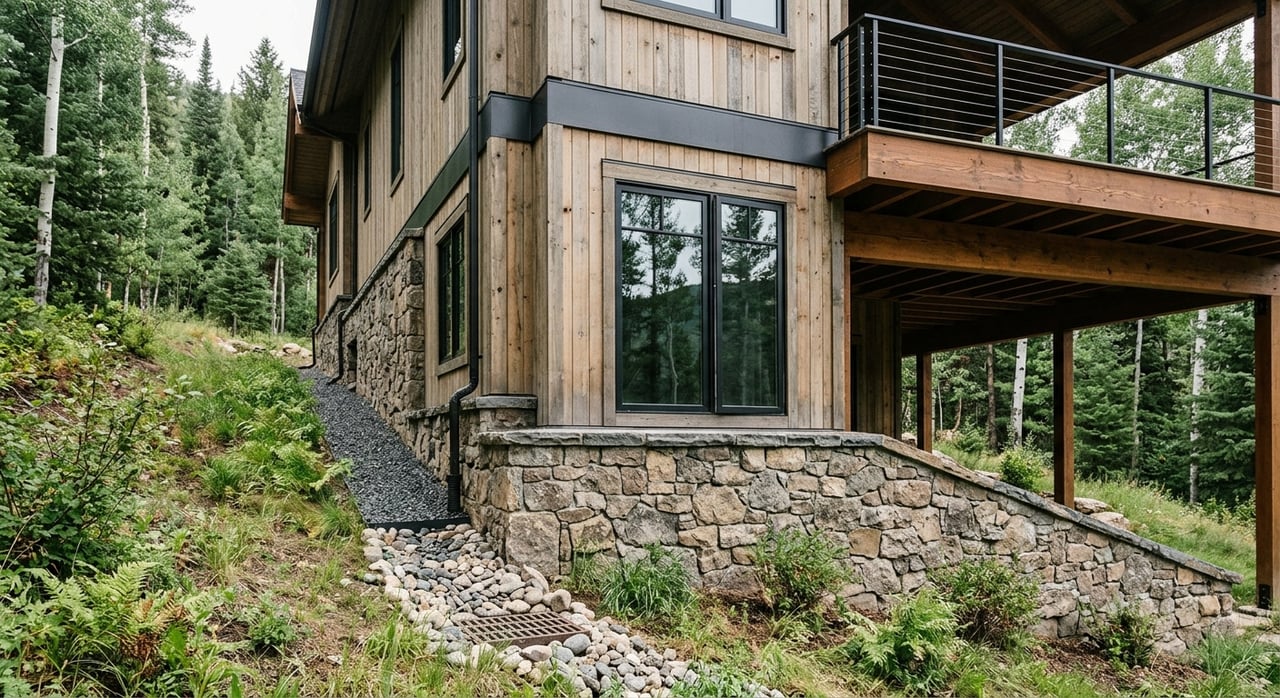
That change is not just about wardrobe. It affects heating costs, insulation, driveway access, roof performance, gutter function, and how well a home handles rain and colder weather.
What to Look For During Showings
If possible, try to see a property in different conditions. A home that looks lovely on a sunny afternoon may tell a more useful story after heavy rain or during a colder stretch.
When you tour homes, pay close attention to:
- Driveway slope and ease of access
- Roof and gutter condition
- Water movement around the lot
- How comfortable the home feels in cooler weather
- Signs that the home was built or maintained for mountain conditions
That sort of visit can tell you far more than pretty listing photos ever will.
Compare Costs Before You Move
For many Florida buyers, Murphy looks appealing on the numbers alone. Cherokee County’s median owner-occupied home value is $232,300, compared with $359,000 in Florida.
Monthly ownership costs are also lower on the Census data. In Cherokee County, median monthly owner costs are $1,242 with a mortgage and $376 without one. In Florida, those figures are $1,959 with a mortgage and $673 without one.
That does not mean every property is inexpensive, of course. Riverfront homes, mountain-view cabins, acreage, and turnkey vacation properties can vary widely, but the countywide data suggests buyers may find more value here than in many Florida markets.
Understand Local Property Taxes
Property taxes in North Carolina are highly local, so where a home sits matters. For 2025, Cherokee County lists a county tax rate of 61.0 cents per $100 of valuation, while the Town of Murphy lists 42.0 cents per $100, with possible special district rates in some areas.
Here is a simple example for a $300,000 home:
| Location | Estimated annual tax before special districts |
|---|---|
| Outside Murphy town limits | $1,830 |
| Inside Murphy town limits | $3,090 |
That is one reason I always suggest looking closely at whether a property is in town limits, outside town, or in a special district before you make a final decision.
Tax Relief May Matter
If you are retiring or downsizing, Cherokee County offers property tax relief programs that may be worth reviewing. The county lists an elderly or disabled exclusion for qualifying owners age 65 and older or those who are totally and permanently disabled.
There is also a circuit breaker program that caps taxes as a percentage of income for qualifying owners who meet the age, disability, ownership, and income requirements. A separate exemption may apply for disabled veterans.
Plan for Rural Property Details
One of the biggest differences between Florida moves and mountain moves is that property details can vary quite a bit from one address to the next. In Murphy and the surrounding county, you may see traditional homes, cabins, manufactured homes, acreage tracts, and river-adjacent parcels all within the same general search.
The county notes that manufactured homes are treated as real estate when the land and home share ownership. That can be useful to know if you are considering a wider mix of property types as you search.
Cherokee County also offers a free interactive map viewer with property lines, addresses, streets, photography, and other layers. For out-of-state buyers, that is a very practical way to begin narrowing your search before a scouting trip.
Internet Needs Still Need Verification
If you work remotely, broadband should be part of your due diligence from day one. Cherokee County reports that 83.6% of households have a broadband subscription and 93.8% have a computer.
Those numbers are encouraging, but they do not replace address-specific verification. If you are considering acreage or a home in a more tucked-away area, confirm service options for that exact property before you move forward.
Inspection Priorities for Murphy Buyers
A standard cosmetic walk-through is not enough in a mountain market. NC State Extension recommends paying close attention to the foundation, drainage, and siding first, followed by windows, gutters, and the roof.
It also flags crawlspace moisture, foundation cracks, lot slope, septic field drainage concerns, roof shingles, and flashing as common issues. In Murphy, that means your inspection strategy should be practical and a touch more thorough than what some Florida buyers may be used to.
Start With These Key Checks
Use this checklist as a starting point:
- Foundation and drainage first
- Roof and gutters next
- Crawlspace moisture and visible cracking
- Floor slope or settling signs
- Septic field drainage, if not on public sewer
- Fireplace and wood stove safety
- Flood map review before waiving contingencies
This is not about being overly cautious. It is about making sure the home works well in a mountain setting, especially if the lot is steep, wooded, older, or close to water.
Fireplaces and Wood Stoves Need Real Review
A fireplace in Murphy can feel wonderfully cozy, but it should be treated as a safety system, not a decorative extra. EPA guidance notes that fire officials recommend a professional annual inspection of the wood-burning appliance, chimney, and vent.
Buyers should also look for chimney cracks, safe clearances, and proper assembly of components. If a home has a wood stove or fireplace, it deserves careful review during due diligence.
Wells, Septic, and Water Testing
If the property uses a private well or septic system, your inspection plan should expand again. Cherokee County Environmental Health handles septic systems, wells, and water testing.
North Carolina DHHS says newly constructed private wells must be tested before being used as a drinking water source. It also recommends regular testing for existing wells, plus additional testing after flooding or well repairs.
For a Florida buyer who may be more familiar with public utilities, this is one of the clearest mountain-market adjustments. The systems can work perfectly well, but they need verification, not assumptions.
Flood Risk Is Worth Checking
Because Murphy sits at the confluence of two rivers, flood risk should be reviewed carefully, even if a home does not look like an obvious flood property at first glance. Cherokee County’s mapping tools and official flood-hazard resources can help you understand the property’s setting before you commit.
This matters for both practical planning and insurance budgeting. North Carolina’s Department of Insurance notes that standard homeowners policies do not cover flood damage, and flood insurance is a separate policy.
It also notes that flood coverage is not limited to homes inside a mapped floodplain. In fact, about 30% of flood claims are for properties outside special flood-hazard areas.
A Smart Flood Review Step
Before you waive contingencies, review:
- The county GIS mapping for the parcel
- Whether the home is near rivers, creeks, or low-lying ground
- Whether flood insurance may be required or simply wise to consider
- The total insurance structure for the property you want to buy
For Florida movers, this part may sound familiar, but the local terrain and river patterns still make it essential to check property by property.
Understand How North Carolina Closings Work
One very practical difference from Florida is the closing process. In North Carolina, closings are attorney-led.
The North Carolina Department of Insurance states that licensed attorneys handle property closings and disbursement through a trust account. The closing attorney also reviews public land records, tax records, court documents, liens, and maps.
If you are financing, lender title coverage is commonly required. An owner’s title policy is optional.
Timing Matters More Than You Think
Cherokee County says January 1 is the date when ownership and value are determined for ad valorem tax purposes. Tax bills go to the owner of record as of that date, and taxes are usually prorated at transfer.
If you are coordinating a Florida sale and a North Carolina purchase, it is wise to line up your closing dates, moving schedule, and attorney communication early. It saves stress, and that is always a worthy goal.
A Simple Moving Plan
If you want to keep your relocation organized, focus on these steps:
- Define your goals for the move, such as retirement, downsizing, remote work, or a second home.
- Narrow your target areas using Cherokee County mapping tools.
- Compare in-town and out-of-town tax impacts.
- Verify internet availability at each property you seriously consider.
- Build inspections around drainage, roof condition, crawlspaces, and slope.
- Confirm well, septic, and water-testing needs where applicable.
- Review flood mapping and insurance structure before final decisions.
- Coordinate with a North Carolina closing attorney well before closing day.
A move from Florida to Murphy can be exciting, practical, and genuinely refreshing. You simply want to plan for the mountain details as carefully as you plan for the boxes and forwarding address.
If you are considering a move to Murphy or anywhere in the Western North Carolina mountain corridor, I would be happy to help you sort through the practical bits, the property questions, and the local nuances. Reach out to Allison Ralph for thoughtful, hands-on guidance.
FAQs
What is the climate like in Murphy, NC for Florida movers?
- Murphy has a true four-season mountain climate, with cooler temperatures, more seasonal change, about 59.28 inches of annual precipitation, and around 4.4 inches of annual snowfall.
Are home prices in Cherokee County lower than in Florida?
- Census data shows Cherokee County’s median owner-occupied home value is $232,300, compared with $359,000 in Florida, with lower median monthly ownership costs as well.
How do property taxes work in Murphy, NC?
- Property taxes depend on the home’s location, with county taxes applying throughout Cherokee County and additional town taxes applying inside Murphy town limits, plus possible special district charges in some areas.
What should Florida buyers inspect first on Murphy homes?
- Start with foundation, drainage, roof, gutters, crawlspace moisture, lot slope, and septic drainage if the property is not on public sewer.
Do Murphy-area homes need flood insurance?
- Standard homeowners insurance does not cover flood damage, so buyers should review flood risk and confirm whether separate flood insurance is required or worth considering for the property.
Are North Carolina real estate closings different from Florida closings?
- Yes. North Carolina closings are attorney-led, and the closing attorney handles the title review, record checks, and disbursement process.
Should remote workers verify internet service in Murphy before buying?
- Yes. Countywide broadband figures are helpful, but service should always be verified for the exact address, especially on acreage or in more rural locations.