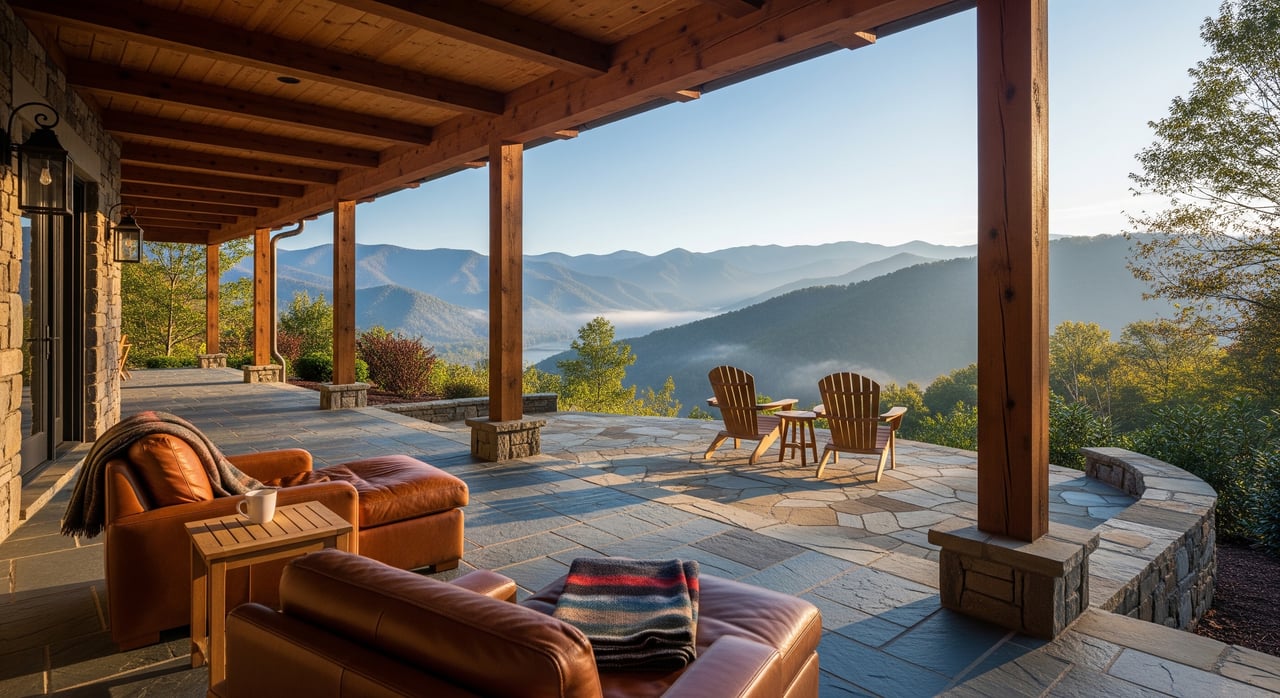
Thinking about swapping traffic for mountain views and a slower pace? If you are eyeing Andrews in far‑western North Carolina, you probably want a clear picture of everyday life, not glossy brochure talk. You care about seasons, healthcare, housing, and whether you will feel at home. This guide walks you through what life really looks like, the tradeoffs to plan for, and the smart checks to make before you move. Let’s dive in.
Everyday rhythm in Andrews
Andrews feels like a classic small mountain town. You get a friendly pace, locally owned shops, and familiar faces at the grocery. Many residents are long‑time locals, and you will also meet seasonal visitors and retirees who come for quiet living and outdoor access. If you like community events and neighborly connections, you will likely find your circle.
Housing and home types
What homes you will find
You will see mostly single‑family homes, some manufactured homes, older properties with character, and land for custom builds. There are very few large retirement complexes in town. If you want a private, low‑density setting, you will have options to consider.
Utilities to verify
Many properties use well water and septic systems. Ask for well test results and a recent septic inspection. Confirm heating type, insulation, and roof condition so your home is ready for year‑round living.
Costs and taxes to research
Housing costs can be lower than urban areas, but scenic mountain demand has pushed prices up in some pockets. Do not assume bargain pricing without checking current market data. Review Cherokee County property taxes and any senior exemptions with the county tax assessor before you finalize a budget.
Climate and seasons
Summer comfort
You can expect four true seasons. Summer days tend to be milder than lowland North Carolina, and evenings are often comfortable. You can enjoy porch time without extreme heat on most days.
Winter readiness
Winters are cooler and can include occasional snow and ice. Plan for safe winter driving and schedule flexibility for storms. Keep vehicles prepared and discuss snow removal if your road is private.
Wildlife and upkeep
You will share the landscape with typical mountain wildlife. Use wildlife‑proof trash bins and plan for simple garden protection. Older homes may benefit from energy upgrades to keep things cozy and efficient.
Healthcare and elder care access
Local primary and urgent care
Small towns like Andrews typically offer primary care and outpatient services for routine needs. Confirm office hours, new‑patient policies, and how urgent issues are handled after hours.
Specialty care travel
For cardiology, oncology, orthopedics, and other specialties, expect to travel to larger regional hospitals. Map those drives in advance and ask neighbors about typical wait times and routes.
In‑home and long‑term options
Before you move, look into assisted living, skilled nursing, hospice, and home‑health agencies available in Cherokee County or nearby. If you rely on Medicare, use trusted directories to verify providers and coverage.
Telehealth and internet
Telemedicine helps with routine check‑ins, but it depends on broadband quality. Confirm service options and real‑world speeds at any address you are considering, especially if you plan to lean on telehealth.
Daily essentials and services
Groceries and shopping
You will find grocery stores, pharmacies, banks, and casual dining in and around town for day‑to‑day needs. For big‑box shopping, specialty items, or upscale groceries, plan periodic trips to larger nearby centers.
Utilities and waste
Ask which electric provider serves the property and how outages are typically handled. If you heat with propane, confirm delivery options. Learn the local waste collection schedule or where convenience centers are located.
Internet and phone
Broadband is mixed in the mountains. Some neighborhoods have cable or fiber, while others rely on DSL, fixed wireless, or satellite. Talk to neighbors and check broadband maps to verify speeds before you buy.
Getting around and airports
A personal vehicle is essential. Public transit options are limited, though some counties offer demand‑response rides for medical appointments. For flights, you will use regional airports; major hubs take a longer drive.
Recreation and social life
Outdoor access
You are well placed for hiking, fishing, paddling, and scenic drives, with access to areas within the Nantahala National Forest. Daily walks, photography spots, and birding locations make it easy to stay active without intense effort.
Clubs, volunteering, and senior programs
Social life often centers on churches, civic clubs, volunteer groups, and community events. Check county aging services for transportation support, congregate meals, and fitness or wellness classes.
Learning and arts
You will find library events, local arts groups, and occasional workshops. Community college outreach and nearby towns can expand your options if you do not mind a drive.
A sample day in Andrews
Start with coffee and a quiet morning walk while the mountains lift out of the mist. Run errands in town, from the pharmacy to the market, then meet friends at a local diner. In the afternoon, enjoy a short trail, tend the garden, or schedule a telehealth check‑in. Evening might bring a community potluck or a peaceful night on the porch.
Move checklist for retirees
- Visit in at least two seasons to see weather, road conditions, and business hours.
- Verify utilities: well test, septic inspection, heating system type, insulation, and roof age.
- Confirm internet providers and speeds at the exact address.
- Map drive times to the nearest emergency department, your primary care, and key specialists.
- Ask about road maintenance, snow removal, driveway grade, and parking.
- Review property taxes, any liens, and HOA rules if applicable.
- Update estate planning with North Carolina counsel and confirm Medicare coverage options.
- Budget for mountain upkeep like tree work, roof care, and driveway maintenance.
Is Andrews a fit for you?
If you want quiet, nature, and a close‑knit community, Andrews can be a wonderful place to retire. You trade immediate access to specialty medical care and big retail for slower days and mountain views. The key is planning: verify utilities, test internet, understand winter realities, and check your healthcare routes. With the right prep, you can enjoy an easygoing life that suits your pace.
If you are ready to explore homes or want a local perspective, I am happy to help. Reach out to Allison Ralph to talk through neighborhoods, utilities, and the practical details that matter.
FAQs
Is Andrews isolated for retirees?
- Andrews is rural and small‑town, which many retirees love, but you will drive for larger shopping and some services. Visit in different seasons to gauge your comfort level.
How good is healthcare near Andrews?
- Primary care and urgent services are typically available locally; plan to travel to regional hospitals for specialized care. Map those routes before you move.
Can I live comfortably year‑round in Andrews?
- Yes, with preparation for snow or ice, a reliable heating system, and flexible scheduling during winter storms. Many retirees adapt well with simple planning.
Will I find social connections in Andrews?
- You can. Join civic groups, faith communities, volunteer teams, or senior programs to meet people quickly and build a steady routine.
Is housing affordable in Andrews?
- It depends on the property and current market conditions. Mountain demand affects prices, so review recent sales, taxes, and utility considerations before deciding.