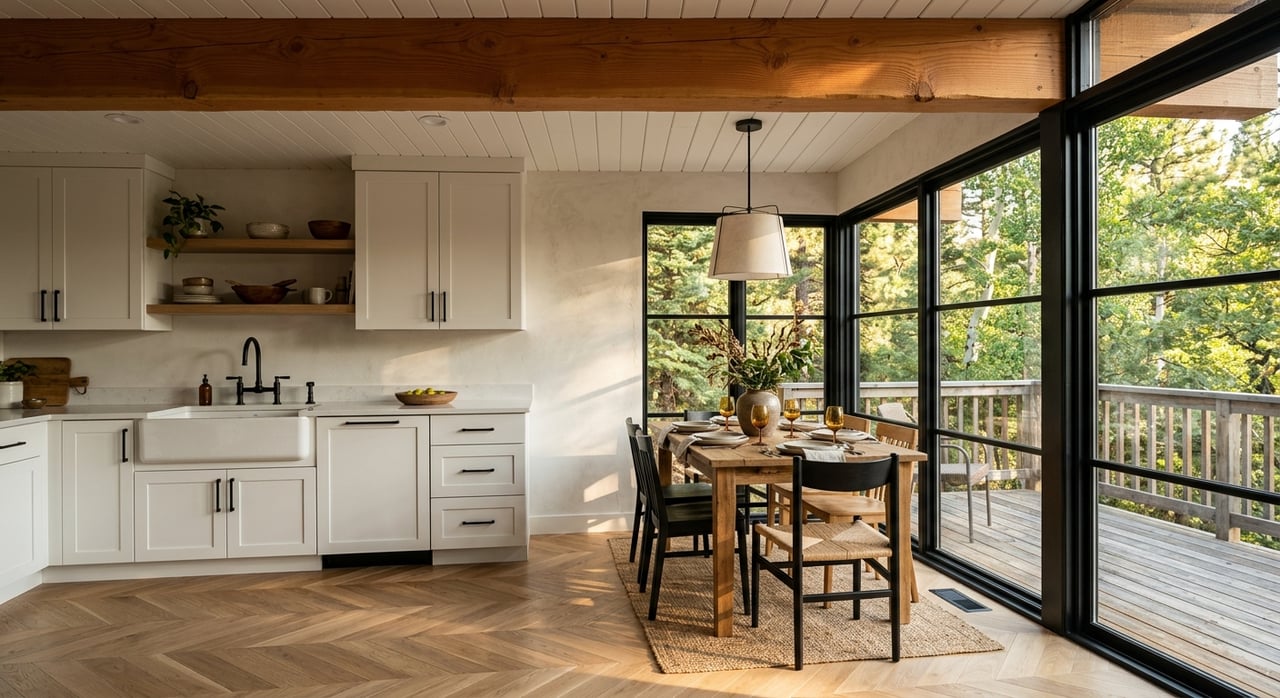
Wondering how to sell your cabin in Andrews without leaving money on the table or watching it sit too long? You are not alone. In a mountain market where buyers often compare cabins as lifestyle purchases, weekend escapes, and possible income properties, the details matter from day one. This guide walks you through how to prepare, price, and time your cabin sale in Andrews, NC so you can make smart decisions with fewer surprises. Let’s dive in.
Why Andrews cabin sales need a local strategy
Selling a cabin in Andrews is not quite the same as selling a standard house in a larger suburb. Andrews sits in a valley in Cherokee County, surrounded by mountains, streams, rivers, and outdoor recreation, and it is within practical driving distance of Asheville, Knoxville, Chattanooga, and Atlanta. That helps explain why many buyers here are looking for second homes, weekend places, or vacation properties rather than only full-time residences.
Because of that, your cabin is often being judged on more than square footage and bedroom count. Buyers are paying close attention to setting, privacy, views, outdoor living space, condition, and whether the property feels easy to enjoy from the moment they arrive. If your cabin has ever served as a short-term rental, they may also care about records, upkeep, and operating history.
Understand the Andrews market first
Before you choose a price, it helps to understand the current local numbers. As of March and April 2026, Realtor.com describes Andrews and Cherokee County as buyer’s markets. Realtor.com reports 78 homes for sale in Andrews, a median listing price of $365,956, and 85 median days on market, while Redfin reports a Cherokee County median sale price of $339,053, 64 median days on market, and a 95.2% sale-to-list ratio.
Those figures come from different types of data, with one focused on listings and the other on closed sales, so they do not match exactly. Still, they point in the same direction. Buyers have options, homes are not flying off the shelf overnight, and realistic pricing matters.
What this means for your sale
In a buyer’s market, overpricing can cost you valuable early momentum. The first days on the market are often when your listing gets the most attention, especially from buyers who have been waiting for the right mountain property to appear. If the price feels too ambitious, many of those buyers simply move on.
That makes presentation and pricing a team effort. A well-prepared cabin with a disciplined list price stands a better chance of generating serious interest than one that launches high and hopes for the best. In Andrews, hope is lovely for holidays, but less useful for pricing strategy.
Prepare your cabin before listing
Buyers notice condition quickly. Redfin notes that buyers tend to notice overall condition, cleanliness, and layout first, and that homes with few major repairs and updated systems are especially attractive. For cabins, that usually means making the property look bright, well cared for, and move-in ready in both photos and in-person showings.
Focus on the basics buyers notice first
Start with the items that improve first impressions right away:
- Deep clean the entire cabin
- Declutter surfaces, closets, and storage areas
- Improve interior lighting where rooms feel dim
- Add fresh paint touch-ups where needed
- Pressure-wash the exterior
- Tidy decks, porches, paths, and entry areas
- Make sure outdoor spaces look maintained in listing photos
Cabin buyers often imagine mornings on the porch, evenings by the fire, and weekends outdoors. If your exterior spaces feel neglected, buyers may assume the systems and structure have been neglected too. That is not a message you want your property sending.
Gather records for private systems
In mountain properties, the practical side matters just as much as the pretty side. Cherokee County Environmental Health handles septic, well, and water testing, and the county’s residential permit process requires written approval for septic and well systems. If your cabin has a private well, septic system, deck, addition, or sits near a river, creek, lake, or stream, it is wise to gather your records before the home goes live.
Useful documents may include:
- Septic records and service history
- Well records or water test information
- Permits for additions, decks, or other improvements
- Maintenance invoices for major systems
- Any information tied to floodplain or watershed review, if applicable
Having these items ready can help answer buyer questions early. It also reduces the risk of delays once you are under contract.
Get ahead of North Carolina disclosures
North Carolina requires a residential property disclosure statement. If applicable, sellers also need to provide an owners association and mandatory covenants disclosure statement. The statutory disclosure covers topics such as water and sewer, roof and structural components, plumbing, electrical, heating and cooling, wood-destroying insects, zoning and land-use restrictions, and environmental hazards.
You may disclose actual knowledge or state that you make no representations, as allowed by law. Even so, it is usually better to prepare thoughtfully rather than rush through forms at the last minute. Clean records and organized information help you complete disclosures with more confidence and less stress.
Why disclosure prep matters for cabins
Cabins can come with extra moving parts. A buyer may ask about road access, drainage, decks, private systems, past repairs, or whether improvements were properly approved. If you can answer clearly and provide supporting records where available, your listing often feels more credible and easier to pursue.
Price your cabin with discipline
It is tempting to price a mountain cabin based on charm alone. The porch is lovely, the view catches the evening light just so, and the place has hosted years of happy weekends. Buyers may appreciate all of that, but the market still sets the range.
In Andrews, current data suggests limited pricing cushion. Realtor.com’s March 2026 snapshot shows a median listing price of $365,956 and an 85-day median time on market, while Redfin’s April 2026 Cherokee County data shows a median sale price of $339,053, a 95.2% sale-to-list ratio, and a 64-day median market time. That supports a data-based list price rather than a high test-the-market approach.
What buyers compare when valuing cabins
When buyers look at cabins in Andrews, they are usually comparing a mix of factors, including:
- Condition and update level
- Privacy and setting
- Views and outdoor living areas
- Ease of access
- Water features or proximity to outdoor recreation
- Rental history, if any
- Likely maintenance needs
A cabin with strong photos, clean systems documentation, and a realistic price often feels safer to buyers. That can be especially important for out-of-town shoppers who are trying to assess risk from a distance.
If your cabin has short-term rental history
If the property has operated as a short-term rental, buyers may want more than gross income claims. Cherokee County requires owners and managers of accommodations rented for less than 90 consecutive days to collect occupancy tax. Through June 30, 2026, the rate is 4%, and it increases to 6% on July 1, 2026. Monthly reports are due by the 20th of the following month.
For an investor-minded buyer, organized documentation helps support your pricing story. Useful records may include:
- Rental statements
- Occupancy tax records
- Maintenance invoices
- Utility or operating cost history
Just as important, do not market the property as a future short-term rental without verifying local use rules. The Town of Andrews planning and zoning office advises buyers to check with staff before buying property or beginning a project so they can confirm whether a property can meet Andrews Development Ordinance standards.
Think about timing beyond just spring
National data points to spring as the strongest selling season. Realtor.com’s 2026 analysis identifies the week of April 12 through 18 as the best time to sell nationally, while Redfin says late April is the optimal window and that late March through mid-May is generally the best listing period. Better weather, more daylight, and active buyers all tend to help homes show well.
For cabins in Andrews, though, there is another layer to timing. Seasonal scenery can make a real difference in how buyers respond to a property.
Use mountain seasonality to your advantage
VisitNC says fall color in the mountains usually begins around mid-September and can last into November, with color starting in higher elevations in late September and moving toward valleys into early November. For cabins with strong views, decks, porches, wooded privacy, or a setting tied closely to the outdoors, late-summer or early-fall photography can be especially valuable.
That does not mean you must wait until autumn to list. It means you should think strategically about visuals and launch timing. Spring may still be the broader market sweet spot, but fall scenery can strengthen your marketing assets if your cabin’s appeal is rooted in the landscape.
Market the lifestyle honestly and clearly
Cabin marketing in Andrews should highlight what actually draws buyers to the area. Andrews is known for its mountain setting, outdoor recreation, and easy access to destinations across Western North Carolina and nearby metro areas. VisitNC also describes Nantahala National Forest as a major destination for hiking, waterfalls, fishing, swimming holes, and rafting.
That supports a lifestyle-focused approach. Instead of writing your listing like a suburban resale, it makes more sense to emphasize features such as scenery, privacy, porches, decks, outdoor access, and the cabin’s usefulness as a personal getaway or investment property, when supported by the facts.
What strong cabin marketing often includes
A well-positioned Andrews cabin listing usually benefits from:
- High-quality photography that captures the setting
- Clear exterior shots of porches, decks, and approach
- Accurate descriptions of condition and updates
- Straightforward notes about private systems and features
- Marketing that speaks to second-home and regional buyers
This is where local knowledge becomes especially useful. The right presentation is not about overselling. It is about helping the right buyer understand why your property stands out.
Do not overlook tax timing at closing
Cherokee County property taxes can surprise sellers who have not dealt with the timing before. The county states that January 1 determines the assessed owner and value for ad valorem purposes. Tax bills are prepared in the name of the owner of record as of January 1, and a transfer during the year does not relieve the seller of liability, although taxes are ordinarily prorated at closing.
For fiscal year 2025 to 2026, the county tax rate is $0.61 per $100 of valuation. This is one of those small details that is easy to ignore until closing gets close. Better to know it early and plan accordingly.
Why local guidance matters
Selling a cabin in Andrews often involves more than putting a sign in the yard and hoping the mountains do the rest. You may be balancing market conditions, disclosures, septic or well records, permit questions, tax timing, and possibly short-term rental documentation too. A local agent can help bring those pieces together into a strategy that makes sense for your property.
That is especially helpful in a market where many buyers are regional or out of state and may be judging your cabin through the lens of convenience, condition, operating costs, and lifestyle appeal all at once. A hands-on plan can help you price more confidently, prepare more thoroughly, and market more effectively.
If you are thinking about selling a cabin in Andrews, I would be glad to help you sort through the details and create a plan that fits your property and your timing. Reach out to Allison Ralph for practical local guidance and a steady hand from start to finish.
FAQs
What is the Andrews, NC housing market like for cabin sellers?
- As of March and April 2026, Andrews and Cherokee County are described as buyer’s markets, with local data pointing to the importance of realistic pricing, strong presentation, and patience on timing.
What should you do before listing a cabin in Andrews, NC?
- Start with cleaning, decluttering, touch-ups, and exterior maintenance, then gather records for septic, well, permits, additions, and other property-specific items that buyers may ask about.
What disclosures are required when selling a home in North Carolina?
- North Carolina requires a residential property disclosure statement, and in some cases an owners association and mandatory covenants disclosure statement, covering topics such as systems, structure, environmental issues, and land-use matters.
How should you price a cabin in Andrews, NC?
- Pricing should be based on current Andrews and Cherokee County market data, comparable condition and features, and the reality that recent sale-to-list data suggests limited room for inflated pricing.
What records help sell an Andrews cabin with short-term rental history?
- Rental statements, occupancy tax records, maintenance invoices, and operating cost information can help support value and answer buyer questions, especially for investor-minded purchasers.
When is the best time to list a cabin in Andrews, NC?
- Spring is generally the strongest listing window based on 2026 housing data, but cabins with strong views or seasonal outdoor appeal can also benefit from late-summer or fall photography and timing strategies.
What should sellers know about advertising a future short-term rental in Andrews?
- Before promoting a cabin for future short-term rental use, you should verify local rules with the Town of Andrews and Cherokee County so marketing does not suggest a use that has not been confirmed.
How are property taxes handled when selling real estate in Cherokee County, NC?
- Cherokee County says the owner of record on January 1 is tied to the tax bill for that year, and taxes are typically prorated at closing even if the property sells later in the year.