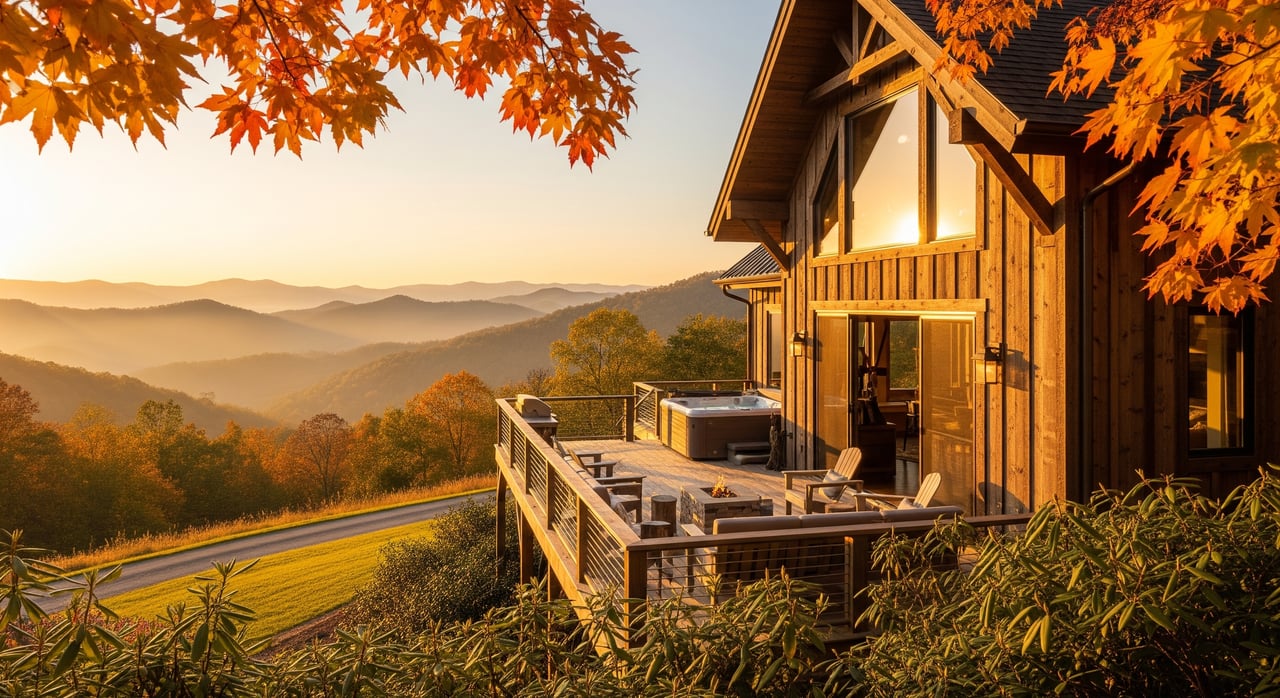
Thinking about turning a cozy cabin or in‑town cottage in Andrews into a short‑term rental? You’re not alone. The western NC mountains draw year‑round travelers, but success comes down to getting the rules right, matching your home to local demand, and modeling returns with clear eyes. In this guide, you’ll learn what to verify before you buy, when bookings tend to spike, which amenities move the needle, and how to run a simple ROI model. Let’s dive in.
Rules and approvals to confirm
Short‑term rentals in Andrews sit within a layered framework. You’ll want to confirm requirements at the state, county, town, and HOA levels before you make an offer or list your home.
- Zoning and use: Verify the property’s zoning and whether a short‑term rental is allowed or needs a conditional approval. Check any parking, setback, or lot standards that could limit guest capacity.
- Local licensing/registration: Some places require a business license or STR registration. Confirm with the Town of Andrews and Cherokee County whether any local permits apply.
- Taxes: STR hosts typically collect and remit North Carolina sales tax and any local occupancy (room) tax. Ask whether booking platforms remit any taxes on your behalf in Cherokee County or if you must file directly.
- Building, fire, and health: Confirm smoke and CO detectors, fire extinguishers, egress, and occupancy signage requirements. Mountain homes often rely on septic and well systems, which can cap guest counts.
- Septic and water capacity: The health department may limit the number of guests based on your septic design. Factor in potential upgrades if you plan to increase bedrooms or capacity.
- Signage, parking, and noise: Check rules on exterior signs and required off‑street parking. Note any noise ordinances and penalties.
- Insurance: Standard homeowner policies often exclude STR activity. Obtain proper short‑term rental or dwelling coverage and confirm lender requirements if you’re financing.
How to verify rules step by step
A simple, methodical approach reduces surprises and supports a smooth closing.
- Confirm the property’s jurisdiction. Is it inside the Town of Andrews or just in Cherokee County? If it’s in an HOA, request covenants early.
- Call the Town of Andrews clerk or planning staff to ask about STR allowances, business licenses, or registrations.
- Contact Cherokee County Planning & Zoning to verify land use and any special permits.
- Speak with the Cherokee County Health Department about septic capacity, pump‑out schedules, and well requirements for rentals.
- Ask the Cherokee County Tax Office about any occupancy tax setup and filing steps.
- Review North Carolina Department of Revenue guidance for sales and occupancy tax registration and filing frequency.
- If in an HOA, get written confirmation that short‑term rentals are permitted and what rules apply.
- Document your findings and keep copies of any approvals or application receipts for future buyers and lenders.
Demand in Andrews: who books and when
Andrews sits in far‑western North Carolina among rivers, trout streams, and forest access. That setting fuels cabin demand for fishing, paddling, hiking, and scenic escapes. In‑town cottages draw weekenders who want a small‑town base with services close by, while more remote cabins attract guests seeking privacy and nature.
- Primary season: Spring through early fall aligns with river and trail activity, bringing higher occupancy and stronger rates.
- Fall second peak: Cooler temps and foliage drives another wave of bookings.
- Winter: Slower unless you’re near winter sports or have standout amenities; many owners use longer minimum stays and off‑season discounts.
- Weekends and holidays: Fridays to Sundays are typically strongest, with three‑night minimums common for remote cabins.
Typical guest profiles include 2–3 night regional getaways, longer 4–14 night stays for fishing or remote work, families and small groups in multi‑bedroom homes, and pet‑owning travelers at pet‑friendly properties.
Revenue drivers that move the needle
Your nightly rate and occupancy hinge on a mix of location, home type, and guest‑ready details.
- Location: Water access, scenic views, or proximity to trailheads and downtown conveniences all help rates and bookings.
- Property size and type: Two‑ to four‑bedroom cabins often capture strong demand if they balance seclusion with accessibility. In‑town cottages perform well for weekenders.
- Amenities: Hot tub, fire ring, pet‑friendly policy, high‑speed internet, and quality furnishings stand out. Remote workers value reliable upload/download speeds.
- Marketing and listing quality: Professional photos, clear descriptions, and dynamic pricing support higher occupancy.
- Management approach: A professional manager can boost performance and enable remote ownership, though fees typically run 20–35% of revenue. Self‑management reduces fees but increases your time commitment.
Costs and realistic returns
Strong top‑line numbers only matter if the net holds up. Build your model with realistic operating costs and reserves.
- Taxes: Property tax plus state sales tax and any local occupancy tax. Confirm how taxes are collected and remitted in your setup.
- Mortgage and financing: Include principal and interest if financed. Check lender requirements for homes used as STRs.
- Utilities: Electricity, heating (important in mountain winters), water, and septic maintenance.
- Insurance: Dwelling and liability coverage with STR endorsements often carry higher premiums than primary residences.
- Management and platform fees: Property management, plus booking platform commissions.
- Cleaning and turnover: Budget per‑stay cleaning, linens, and supplies.
- Maintenance and landscaping: Ongoing small fixes plus seasonal care.
- Capital reserves: Furniture and appliance replacement, roof or deck work, and septic pump‑outs.
- Marketing and guest experience: Consumables, welcome items, key exchange systems, and periodic photo updates.
A measured approach is to create a base case, then stress‑test with conservative assumptions. In mountain markets, heating, road access, and septic can materially affect costs and guest capacity.
Build a simple STR model
Use a straightforward framework to compare properties and avoid rosy assumptions.
- Gross annual income = Average Daily Rate (ADR) × Occupancy rate × 365
- Operating expenses = Sum of annual non‑mortgage costs (management, cleaning, utilities, taxes, insurance, maintenance, supplies, reserves)
- Net Operating Income (NOI) = Gross income − Operating expenses
- Cash‑on‑cash return = (NOI − Annual debt service) ÷ Initial cash invested (down payment + closing + furnishing)
Then run three scenarios to see how sensitive returns are:
- Best case: ADR up 15–25%, occupancy up 10–30%
- Expected case: Your most likely ADR and occupancy based on comps
- Worst case: ADR down 15–25%, occupancy down 10–30%
Finally, calculate a break‑even occupancy at your target ADR to understand debt coverage during slower months. This helps you plan rate strategy and minimum‑night policies for winter.
Operations for out‑of‑state owners
Smooth operations protect your reviews and your sanity. Focus on the fundamentals that matter in rural, mountain settings.
- Internet: Verify reliable broadband speeds to serve remote workers and streaming needs.
- Access and winter prep: Assess driveway slope, road width, and snow/ice plans. Consider guest guidance for winter tires or 4WD when needed.
- Parking: Confirm off‑street capacity and that it meets local rules.
- Septic and water: Match max guest count to your septic’s design. Keep pump‑out schedules and well test records on file.
- Safety: Install smoke/CO detectors, fire extinguishers, and clear emergency instructions. Keep exits well‑lit and accessible.
- Smart systems: Keyless entry helps remote check‑ins; smart thermostats and leak sensors add protection. Use exterior cameras only and follow privacy laws.
- Nuisance management: Set clear house rules for occupancy, parties, noise, parking, and pets. Communicate promptly with neighbors and resolve complaints quickly.
Due diligence checklist
Use this quick checklist as you evaluate a property in or near Andrews.
- Confirm regulatory status with the Town of Andrews and Cherokee County planning and health departments, including septic capacity and any permits.
- Ask the Cherokee County Tax Office and the North Carolina Department of Revenue about sales and occupancy tax registration and filings.
- Gather market data: pull 12 months of comparable Airbnb/VRBO listings within 10–20 miles. If you use paid tools, look for ADR and occupancy benchmarks over at least a full year.
- Assess the site: test internet speed, review access roads, confirm parking, and inspect septic and well systems.
- Build your model: estimate ADR and occupancy from comps, include management and turnover costs, and run best/expected/worst scenarios.
- Line up operations: identify a local property manager or cleaning team, handypersons, septic and winter services, and verify insurance quotes with STR endorsements.
- Talk to neighbors and local businesses to gauge sentiment and practical considerations like parking and noise windows.
Risks and how to mitigate
All investments carry risk, and STRs have a few special ones.
- Regulatory change: Small towns and counties may update STR ordinances or add registries. Monitor local code and any proposed changes.
- Seasonality swings: Plan for slower winters and potential event‑driven dips. Keep cash reserves for off‑peak months and maintenance.
- Operational hiccups: Build a dependable vendor bench and have backups for cleaning and maintenance.
- Insurance and liability: Review your policy annually, confirm STR coverage, and consider umbrella liability.
- Financing exposure: Use your break‑even occupancy to ensure debt coverage with conservative assumptions.
How I help you invest in Andrews
If you’re weighing a short‑term rental in Andrews or greater Cherokee County, you deserve a calm, practical guide who knows the backroads as well as the spreadsheets. I’ll help you verify the local rules, source comps, model returns with realistic scenarios, and line up the on‑the‑ground team you need to operate smoothly. From riverfront cabins to in‑town cottages, we’ll match the right property to your goals—and keep the process refreshingly straightforward.
Ready to explore opportunities and run the numbers together? Reach out to Allison Ralph and let’s put a plan in motion.
FAQs
Are short‑term rentals allowed in Andrews, NC?
- It depends on zoning, the Town of Andrews’ requirements, Cherokee County rules, and any HOA covenants; confirm permissions and permits with each authority before you buy.
What taxes apply to an Andrews short‑term rental?
- Expect North Carolina sales tax and possible local occupancy (room) tax; confirm registration and filing steps with the state and Cherokee County, and whether platforms remit any taxes for you.
When is peak booking season in Andrews?
- Spring through early fall is typically the strongest, with a secondary bump during fall foliage; winter demand is lighter unless you’re near winter activities or offer standout amenities.
Which amenities boost nightly rates near Andrews?
- Hot tubs, outdoor fire rings, scenic views or water access, pet‑friendly policies, high‑speed internet, and well‑furnished spaces tend to lift ADR and occupancy.
How much do property managers charge in the Andrews area?
- Many professional managers charge about 20–35% of gross revenue; weigh performance and convenience against the fee compared with self‑management.
How do I quickly estimate returns on an Andrews STR?
- Start with gross income = ADR × occupancy × 365, subtract operating expenses to get NOI, then factor debt service and initial cash to calculate cash‑on‑cash; run best/expected/worst scenarios to see sensitivity.